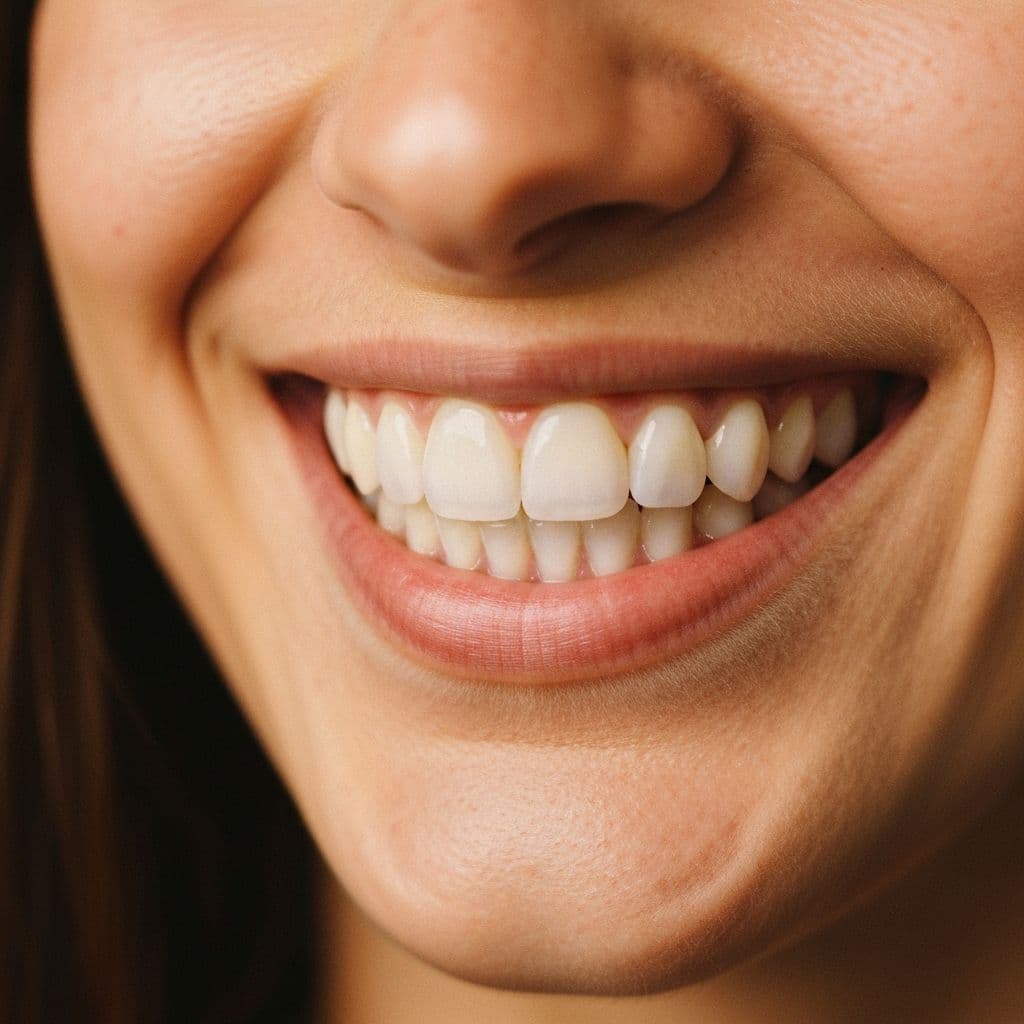
Dental Bonding
A quick, conservative, and affordable solution to fix chips, cracks, gaps, discoloration, and misshapen teeth — often completed in a single visit.
A Fast, Affordable Way to Enhance Your Smile
Dental bonding is a cosmetic procedure where tooth-colored resin is applied to your teeth to repair chips, cracks, gaps, and discoloration. At our Tysons Corner, VA office, Dr. Alex Osinovsky and our team perform dental bonding as a quick, affordable alternative to veneers or crowns.
The procedure typically takes 30-60 minutes per tooth and requires no anesthesia in most cases. The composite resin is carefully color-matched to your natural teeth, sculpted into the perfect shape, and hardened with a special curing light.
Patients from Vienna, McLean, Falls Church, and throughout Northern Virginia choose our Tysons VA location for dental bonding because we combine artistic skill with advanced techniques for seamless, natural-looking results.
Are You a Candidate?
Dental bonding may be right for you if you have:
- Chipped or cracked teeth
- Small gaps between teeth
- Discolored or stained teeth
- Misshapen or uneven teeth
- Exposed tooth roots from gum recession
During your consultation at our Tysons Corner office, we'll examine your teeth and discuss whether bonding or another treatment is best for your goals.
Dental Issues Bonding Corrects
Chips & Cracks
Tooth-colored resin is applied to the chipped or cracked area and sculpted to match the natural shape of the tooth, then cured for a seamless, durable repair.
Gaps Between Teeth
For small gaps between teeth, bonding is applied to the adjacent teeth and gradually built up to close the space — shaped and polished to look completely natural.
Discoloration
For teeth that are discolored or stained beyond what whitening can address, bonding can cover the surface with resin color-matched to your surrounding teeth.
Misshapen Teeth
If a tooth is misshapen or uneven, resin is sculpted onto the tooth to reshape it into the desired form, restoring symmetry and improving overall smile aesthetics.
Exposed Roots
Receding gums can expose tooth roots, making teeth appear longer or more yellow. Bonding covers and protects the exposed area with natural-looking, color-matched resin.
Why Choose Dental Bonding
Often Single Visit
Most bonding procedures can be completed in one visit — no lab work required, no waiting weeks for a result.
Conservative Treatment
Unlike veneers or crowns, dental bonding usually requires little to no removal of existing tooth enamel.
Natural Appearance
The resin is color-matched to blend seamlessly with your surrounding teeth for a completely natural-looking result.
Versatile Solution
Bonding addresses a wide range of cosmetic concerns — from chips and cracks to gaps, staining, and exposed roots.
Learn More
Learn About Dental Bonding
Watch this educational video to see how bonding can enhance your smile.
Common Questions
What is dental bonding?
Dental bonding is a cosmetic dental procedure that involves applying a tooth-colored resin material to the surface of a tooth to improve its appearance. It is a popular solution for a range of dental issues, from minor chips and cracks to discoloration and gaps between teeth.
How long does dental bonding last?
Dental bonding typically lasts 3–10 years depending on location in the mouth, diet, and oral hygiene habits. Bonding on front teeth used for biting may need replacement sooner. Regular checkups allow us to monitor the condition of your bonding and retouch as needed.
Is dental bonding painful?
Dental bonding is generally painless. Anesthesia is usually not needed unless bonding is being used to fill a decayed tooth. The procedure involves etching the tooth surface, applying the resin, sculpting it into shape, and curing it with a special light.
How do I care for bonded teeth?
Brush and floss normally. Avoid biting nails, chewing on pens or hard objects, or using your teeth to open packages, as these habits can chip the resin. Bonded teeth can stain, so limit coffee, tea, and tobacco — especially in the first 48 hours after bonding.
Is bonding better than veneers?
Bonding is a more conservative and affordable option, ideal for minor corrections and single teeth. Veneers are more durable and stain-resistant, making them better suited for more extensive smile transformations. Our team will help you decide which is best for your specific situation.
Related Services
Fix Your Smile in a Single Visit
Schedule your dental bonding consultation at our Tysons Corner, VA office today.